2008年学会資料
第28回日本静脈学会総会シンポジウム2(2008年 学会資料)
Treatment Outcomes of Endovenous Laser Therapy for Saphenous Varicose Vein of the Legs with Cutaneous Lesions
- Review. Stripping vs. Endovenous Laser Therapy (EVLT)
- Theme 1. Treatment Outcomes of EVLT for Varix with CEAP grading 4-6
- Theme 2. Proposal of Guideline for EVLT
Review
Conventional Stripping Surgery vs. Endovenous Laser Therapy
【Purpose】
Compare outcomes for saphenous varicose veins between EVLT and stripping surgery
- in 1) therapeutic effects
- in 2) risks of complications
- in 3) level of satisfaction for the treatment
【Materials】
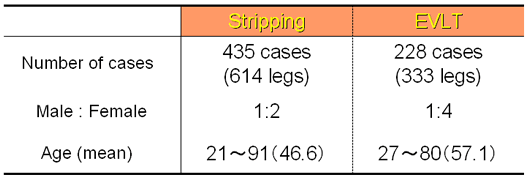
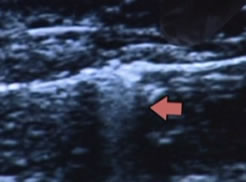
【Surgical technique of EVLT】
- EVLT using 1320nm Nd:YAG
- Under guidance of ultrasonography
- Combined with high ligation
- All the procedure was performed in day-surgery
- The patients can be discharged 30 minutes after the surgery

【Results】
Obliteration rate and the risk of complications 6 months and 1 year after EVLT
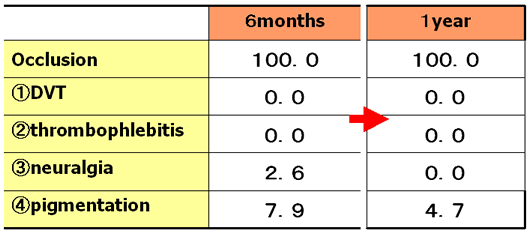
【Results】
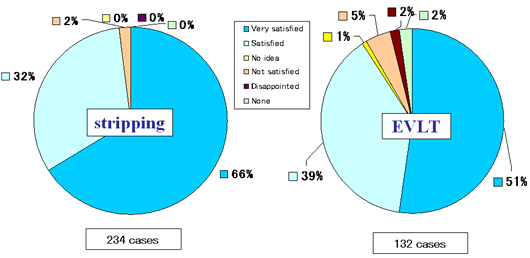
Conduct the questionnaire survey for the treated patients about the satisfaction level.
【Conclusions】
EVLT with 1320nm Nd:YAG was equally effective treatment modality to the conventional stripping surgery
- in terms of 1) therapeutic effects
- in terms of 2) risks of complications
- in terms of 3) level of satisfaction for the treatment
Satisfaction level of stripping is relatively high because of novelty in day surgery and affordable price of therapy. On the other hand, EVLT is more expensive, and the patients tend to expect higher level of effectiveness, reflecting relatively harsh results in their assessment.
Theme 1
Treatment Outcomes of EVLT for Varix with CEAP grading 4-6
【Purpose】
To evaluate the treatment outcomes of EVLT for varicose veins with CEAP grading 4-6
- in 1) obliteration rates
- in 2) risks of complications
- in 3) level of satisfaction for the treatment
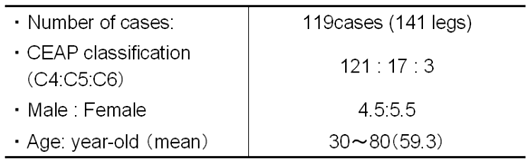
【Materials】
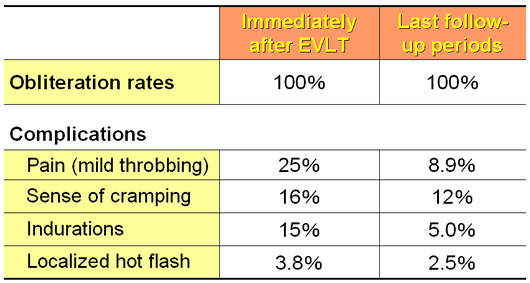
【Rates of Obliteration and Complication】
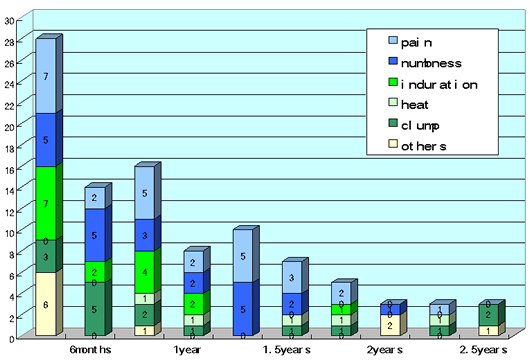
【Complications】
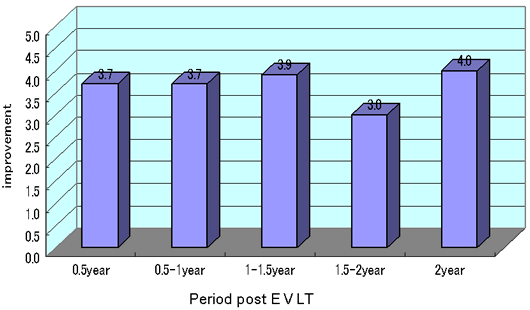
【Improvement of pigmentation】
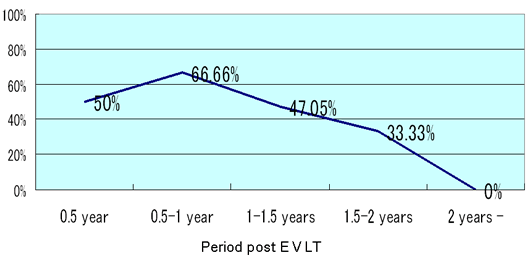
【Morbidity of Ulcer】
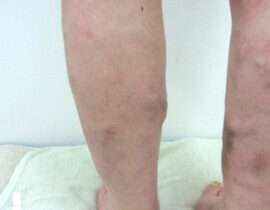
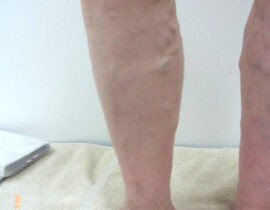
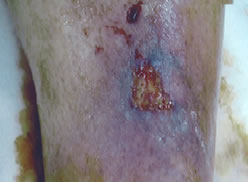
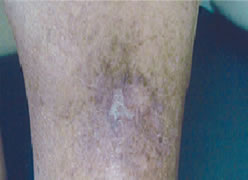
【Illustrative case of EVLT】
| Before treatment | 1 month after EVLT | |
|---|---|---|
|
|
【Results】
Conduct the questionnaire survey for the treated patients about the satisfaction level.
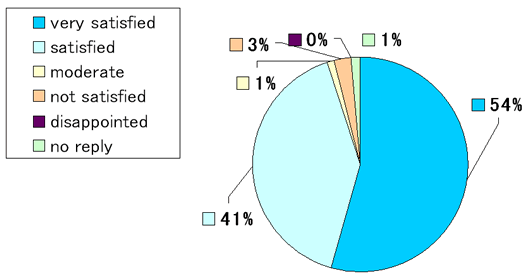
【Conclusions】
EVLT had an excellent result even for the saphenous varicose veins with CEAP 4-6
- in terms of 1) therapeutic effects
- in terms of 2) risks of complications
- in terms of 3) level of satisfaction for the treatment
Theme 2
Proposed Guideline for EVLT
【Pathological mechanism of recurrences】
20 patients were referred to our hospital for recurrent varix after their stripping surgery (mean time from first surgery: 10.2 years)
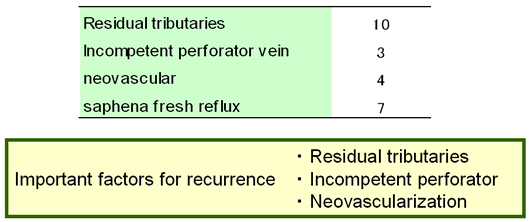
【Analysis of Risk factors for recurrence】
・Incompetent perforator vein in our patients
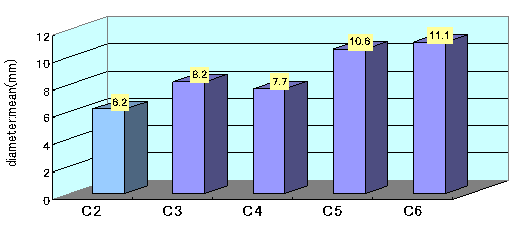
・Varicose vein diameter on CEAP classification
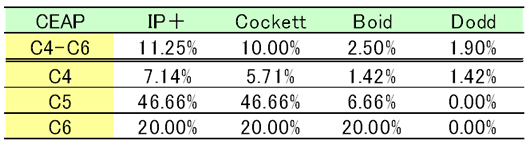
【Outcomes of EVLT in the previous literature】
・Results of EVLT for varicose veins in lower limbs
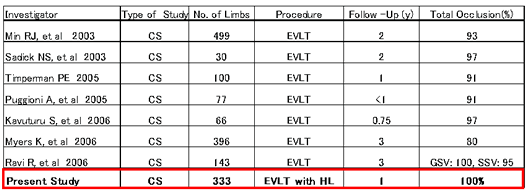
●We applied EVLT with high ligation especially for the varix with higher CEAP grading.
●Our results were comparable to the best ones in the past literature.
【Discussion】
- Residual tributaries, incompetent perforator, and neovascularization are important factors as cause of recurrence.
- EVLT can achieve the excellent results even for the CEAP 4-6 saphenous varicose vein in combination with high ligation.
- EVLT with high ligation is very effective for varicose with reflux from tributaries and incompetent perforators.
【Proposal of Guideline for EVLT】
Key Surgical Techniques to prevent neovasculogenesis after EVLT
- Perform proper high ligation.
- Leave epigastric vein in case of many tributaries.
- Create the efficient anatomical barrier with closure of the cribriform fascia.
- Avoid high ligation for less severe varicose veins.
研究目的
血管病理の多くは年周期の変動を提示することから、この研究の目的は静脈瘤による下腿潰瘍の時間生物学的な特性を確認することである。
研究方法
391名の静脈性下腿潰瘍患者の病歴の遡及的調査に基づいて、各月の潰瘍発生率と治癒率を統計学的に分析した。
結果
潰瘍の発生率は1年で温暖な時期(4-10月)が明らかに大きい傾向があり、潰瘍発生は強い時節性を有した。治癒率についても1年を通じて同様ではないが統計学的に分布しており、冬や夏に発症ないしは特別の治療を受けた潰瘍の方が、春や秋に発生した潰瘍に比べて治癒が遅かった。
結論
静脈性下腿潰瘍はその発生率と治癒率において年周期の変動を見せた。仮説ではあるが、慢性静脈機能不全の増悪に加えて、免疫系の時節変動がこの現象を潜在的に説明するかもしれない。
ジャーナル
Seasonal variations in the onset and healing rates of venous leg ulcers.
Phlebology. 2010 Feb;25(1):29-34